
How to Get Started in Buying Your First Home
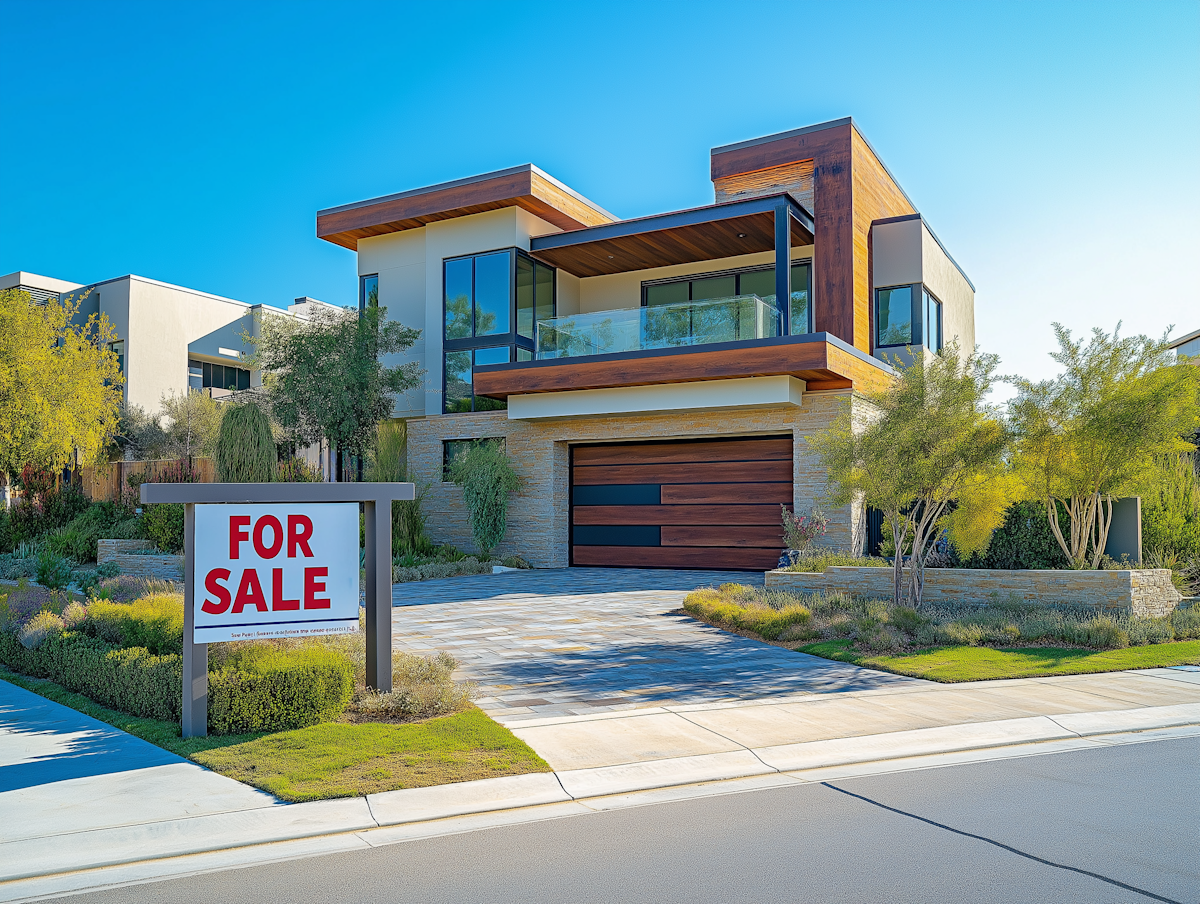
Buying your first home is a major milestone exciting, but often a bit intimidating. The key to a smooth experience is starting with clarity and preparation. Before browsing listings or visiting properties, take time to understand your financial health. Look closely at your income, monthly expenses, existing debts, and savings. This will help you determine how much you can realistically afford without stretching your budget too thin. It’s also wise to check your credit score early, as it plays a big role in home loan approval and interest rates.
Once you’ve assessed your finances, the next step is setting a clear budget and exploring financing options. Consider getting pre-approved for a home loan, which gives you a strong idea of your purchasing power and shows sellers that you’re a serious buyer. Alongside the loan amount, don’t forget to factor in additional costs such as registration fees, taxes, maintenance, and possible renovation expenses. Many first-time buyers overlook these, which can lead to financial strain later.
With your budget in place, start defining what you actually need in a home. Think about location, size, type of property (apartment, villa, etc.), and nearby amenities like schools, hospitals, and transportation. It’s helpful to separate your “must-haves” from “nice-to-haves” so you can make better decisions when comparing options. Spend time researching different areas, property values, and future growth potential this isn’t just a purchase, it’s also an investment in your future.
As you begin visiting properties, stay patient and avoid rushing into decisions. Take notes, compare multiple options, and don’t hesitate to ask questions about construction quality, legal approvals, and ownership history. If possible, work with a reliable real estate agent who understands the market and can guide you through negotiations and documentation. Their experience can help you avoid common pitfalls and save both time and money.

Finally, before closing the deal, ensure that all legal documents are verified and clear. Carefully review the sale agreement, ownership papers, and any approvals required by local authorities. Once everything checks out, proceed with confidence knowing you’ve done your homework. Buying your first home doesn’t have to be stressful with the right steps and mindset, it can be one of the most rewarding decisions you’ll ever make.